


Episode #880
December 13, 2025
My red-headed, light-skinned, Irish friend says,
“I’m allergic to thermonuclear radiation.”
So he always wears a wide-brimmed hat with a neck flap to shade against the sun.
When I wear my usual floppy boonie hat to the dermatologist, she always says, “I love your hat.”

Recently, scientists have pointed out that resuming ground and surface fusion and fission nuclear explosive testing is dangerous and unnecessary. Releasing the radiation from a hydrogen bomb into the atmosphere and onto the Earth makes the sun seem like a microwave oven.

Thermonuclear radiation can be harnessed. In the near future, we will heat water with hydrogen nuclear fusion to create steam, which then spins a turbine connected to an electric generator. This is very efficient and produces large amounts of electricity. Radioactive waste from a fusion reactor, however, must be stored in a rock or glass matrix underground for 100 years. This is only slightly better than the tens of thousands of years for fission waste storage from current nuclear reactors.
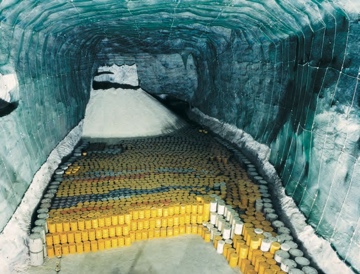
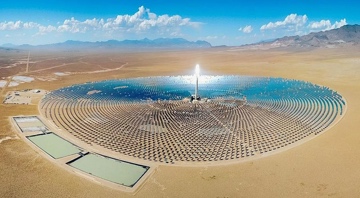
Gravity, wind, solar, or geothermal generators are very low-polluting, efficient, and much safer solutions. In fact, solar cells are a simple and safe use of the sun’s thermonuclear radiation.
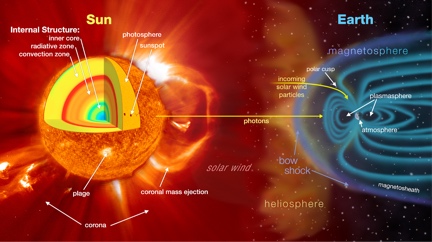
At its core, the Sun is 8 times denser than gold. The thermonuclear radiation (gamma rays) created in the core of the Sun must travel 170,000 to millions of years before emerging from the Sun’s corona. During that time, the high-energy photons bounce off ions and electrons, taking a zigzagging “random walk” through the Sun. During that journey the wavelength of the radiation lengthens and is converted to visible light. The trip from the Sun to the Earth takes a mere 8.5 seconds, traveling in a straight line at the speed of light.
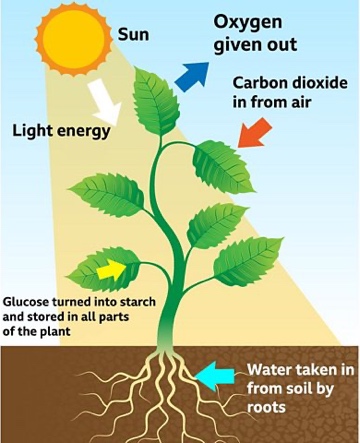
Plants absorb the red and blue light with chlorophyll. They reflect the green spectrum, giving plants their green color. This absorbed light energy converts carbon dioxide and water into glucose and oxygen. The glucose sugar is the food the plants eat, and we get to breathe the oxygen.
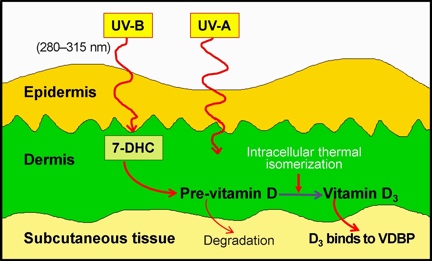
Animals and humans are exposed to ultraviolet B (UVB) radiation in sunlight. This triggers the synthesis of Vitamin D in the skin, which is vital for bone health and immune function.
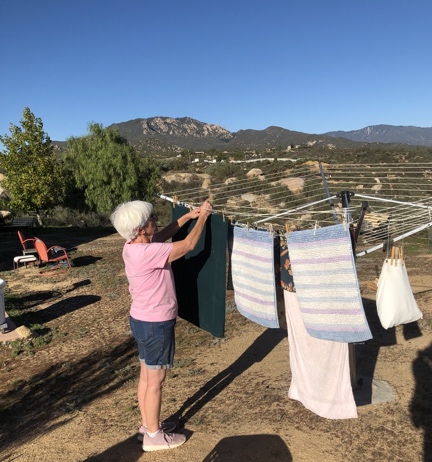
Paula’s favorite thermonuclear harnessing method is hanging the laundry on our clothesline. It saves us money on propane and is a lot more fun than the gas clothes dryer. There is nothing quite like the smell of clothing in a fresh breeze.
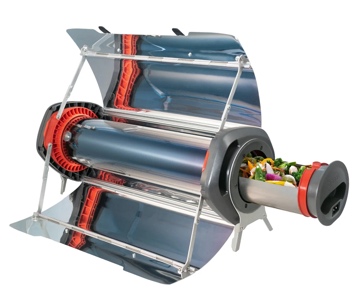
Solar cookstoves are handy when dry camping. They convert and focus light into heat to cook your food.
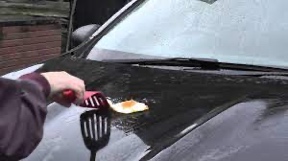
There have been days of desert camping when I could fry an egg on the hood of my car, thanks to thermonuclear radiation.
On those days, I always wear my boonie hat.
IF YOU LIKE THIS BLOG YOU’LL LOVE MY BOOKS:
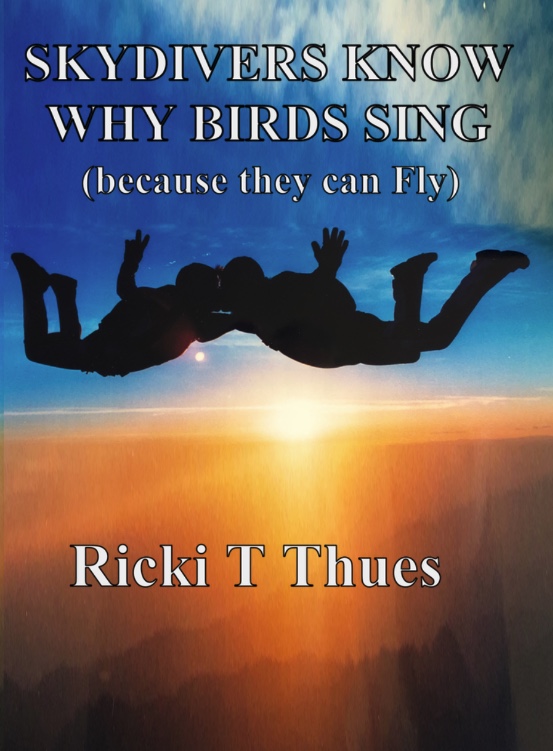
“Skydivers Know Why Birds Sing” by Ricki T Thues is now available on Amazon.
It is a Love story of Rick and Paula Thues and their 35 years of Skydiving.
Click HERE to buy the paperback or Kindle ebook at Amazon.
Follow Ricki T Thues on Amazon HERE.
ALSO AVAILABLE:
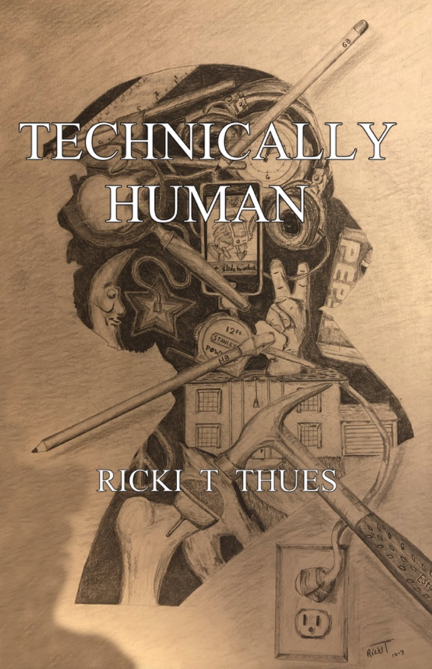
“Technically Human” by Ricki T Thues, the iMentor, is available on Amazon.
It is a compilation of selected episodes from this bLog which tell the story of Humanity through the eyes of the iMentor.
Click HERE to buy the paperback or Kindle ebook at Amazon.
The ebook version of “Technically Human” is also available on Kobo. Click HERE.
For you Barnes and Noble Nook readers it is available for Nook. Click HERE.
The “Technically Human” ebook is also available on Apple Books . Click HERE.



Love that boonie hat