

Episode #919
September 12, 2026
Think of AWEAR as a Fitbit for your brain.
It uses electroencephalography (EEG)—brainwave activity—to provide real-time feedback, helping users recognize the early signs of stress.
AWEAR was built by founder Antonio Forenza, an electrical engineer and inventor with more than two decades of experience in advanced communications technology. He developed the first prototype himself.
The device is currently being tested, though a beta version is available for purchase.

Forenza is working from a simple but persistent question: what if stress could be recognized at the moment it begins, rather than only understood after it has already taken over?
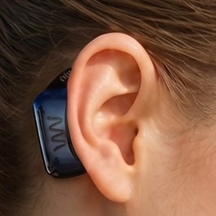
Advances in wearable technology made that idea increasingly realistic, leading to the development of a device intended to bring more moment-to-moment awareness into everyday life. Worn behind the ear, AWEAR vibrates when you are experiencing stress.
From the beginning, AWEAR was envisioned not as another health gadget, but as a way of better understanding our own internal responses as they unfold.
At first, I wasn’t convinced that an EEG-based stress monitor would be all that useful when the source of stress is another person. If someone is being difficult, no device is going to make them kinder or calmer. It doesn’t solve the situation.
But then I realized the real issue isn’t the other person—it’s what happens inside us in response to them.
I don’t always notice when I’m absorbing someone else’s tension. A conversation can start out normally, and before I know it, my shoulders are tight, my breathing has shifted, and I’m already preparing for conflict. By the time I would recognize it, I’m already inside the reaction.
That’s where real-time feedback might make a difference. Instead of only seeing stress after the fact, it would offer a chance to notice it building in real time, while there’s still an opportunity to respond differently. It could act as a quiet reminder that we don’t have to mirror someone else’s mood or carry their emotional state as our own.
It also seems to reinforce something important: trusting what we feel. Most of us have had moments where we question whether we’re overreacting. Seeing stress rise in real time would, in theory, offer confirmation that something in the nervous system is responding for a reason. That awareness alone might be enough to step back, take a breath, or disengage.
More than anything, it would create a small but important space between what happens and how we respond. Instead of reacting automatically, there would be a brief moment to pause, breathe, and choose what to do next. Often, that small gap is the difference between escalation and calm.
Over time, one could imagine beginning to notice patterns. Certain people, situations, or environments would likely show up repeatedly as sources of stress.
That information wouldn’t change anyone else—but it could change how we move through the world. It would shape where we spend our energy, how we respond, and which relationships we choose to engage with more carefully.
Chronic stress is linked to long-term health risks, so recognizing it earlier may have meaningful benefits.
IF YOU LIKE THIS BLOG YOU’LL LOVE MY BOOKS:
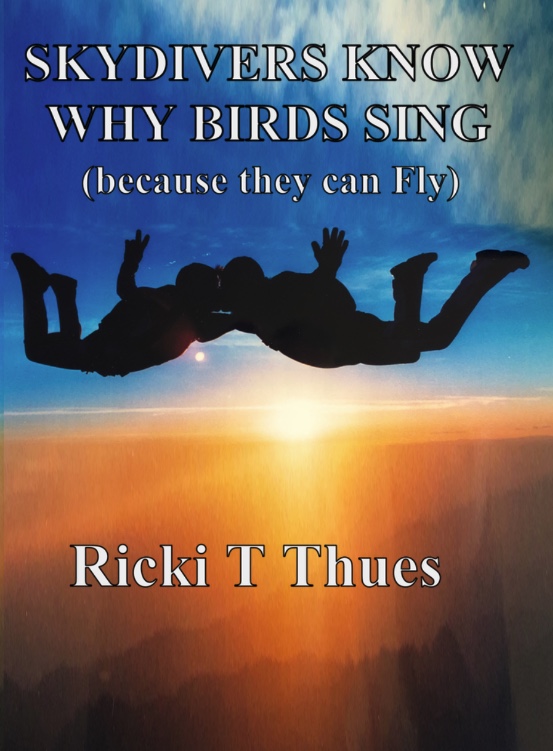
“Skydivers Know Why Birds Sing” by Ricki T Thues is now available on Amazon.
It is a Love story of Rick and Paula Thues and their 35 years of Skydiving.
Click HERE to buy the paperback or Kindle ebook at Amazon.
Follow Ricki T Thues on Amazon HERE.
ALSO AVAILABLE:
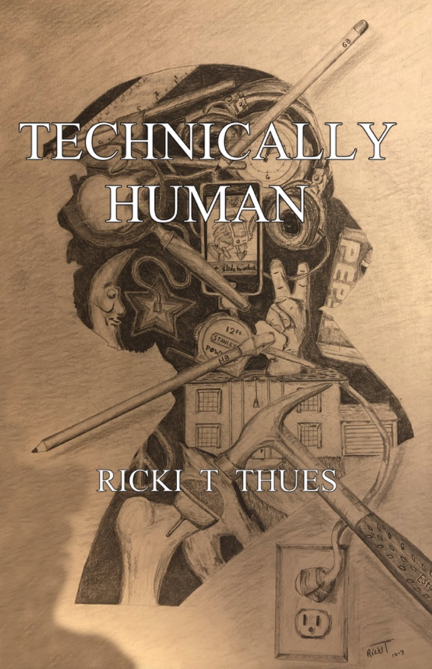
“Technically Human” by Ricki T Thues, the iMentor, is available on Amazon.
It is a compilation of selected episodes from this bLog which tell the story of Humanity through the eyes of the iMentor.
Click HERE to buy the paperback or Kindle ebook at Amazon.
The ebook version of “Technically Human” is also available on Kobo. Click HERE.
For you Barnes and Noble Nook readers it is available for Nook. Click HERE.
The “Technically Human” ebook is also available on Apple Books . Click HERE.
Ricki is also a contributor to the Writers Anonymous short stories anthology, “Matters of Life and Death, Stories on the Brink.” CLICK HERE.
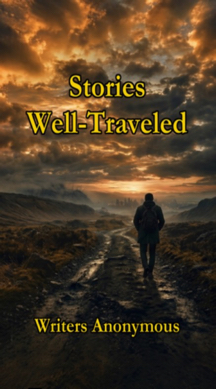
The newest Writers Anonymous short stories anthology, “Stories Well-Traveled,” is now available on Amazon.
It is a collection about the different paths Writers Anonymous has traveled, both real and imagined, and how, through these stories, we have stayed connected.
CLICK HERE.


I agree that this device is worthy of wearing!