Episode #918
September 5, 2026
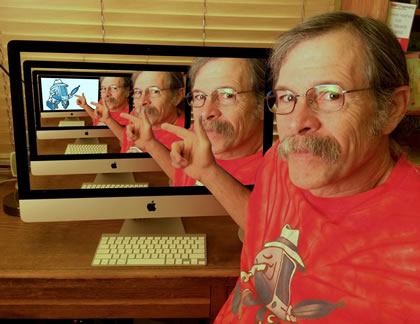
I used to tell my stories in the first person
until a college buddy, Bill, questioned their truth.
“All those things could not have happened to you,” Bill said.
The truth is that I have lived a varied and interesting life. I really did win medals in track, have my name on an achievement plaque in high school, survive a head-on collision, and learn to waterski at five years old. But Bill’s skepticism didn’t just challenge accuracy—it disrupted the effect of the telling. It pulled the listener out of the experience and turned the story into a claim that needed defending rather than a moment that could be felt.
So I shifted. I began telling my stories in third person, sometimes inventing characters who experienced pieces of my own life. Told that way, the stories became less like self-assertion and more like observation—less bragging, more awe. Bill enjoyed them, in part because he didn’t realize they were quietly about me. The distance created room for enjoyment.
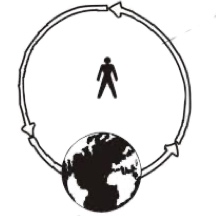
As I leaned further into short fiction and contributions to anthologies, I discovered something else: third-person narration can create distance from the reader. It can describe a life, but it doesn’t always invite the reader into it. First-person present tense does something different—it collapses that distance. It pulls the reader inside the moment, where they are no longer watching a story unfold but inhabiting it, as participant or witness. So I came full circle with myself in the first person present to draw my readers into the stories.
That same tension shows up in the difference between the singer-songwriters Bob Dylan and Jesse Welles.
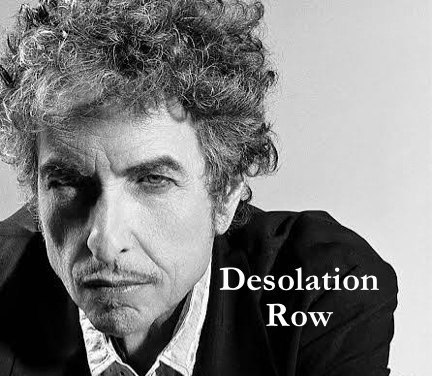
In the song “Desolation Row”, Dylan’s voice is fluid and destabilized—moving between perspectives, slipping between character and symbol, often dissolving the narrator altogether. Meaning is not delivered so much as assembled. It creates interpretive space, where the listener completes the story.
In “War Isn’t Murder,” Welles, by contrast, stays closer to the ground of the present moment. His “I” is more consistent, more observational, more anchored in immediate experience. The result is clarity rather than abstraction—less mythic openness, more direct transmission of thought and feeling.
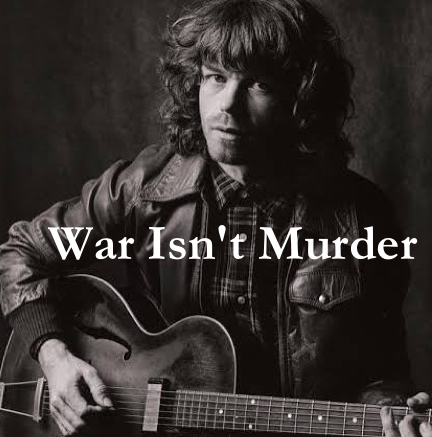
Dylan’s songs often feel remembered, dreamed, or foretold, as though they are being pulled from somewhere beyond the present tense. Welles’ songs feel like they are happening now, in real time, with the listener positioned inside the unfolding awareness. Dylan expands symbolic possibility at the cost of certainty; Welles increases immediacy at the cost of interpretive openness.
The shift I made in my own writing lives somewhere between these two approaches. I don’t present myself as an authority standing above the story, nor as a detached observer inventing distance for effect. Instead, I try to write from a present-tense moral position—less as an expert explaining truth, and more as a witness describing what the moment feels like while it is still happening.
IF YOU LIKE THIS BLOG YOU’LL LOVE MY BOOKS:
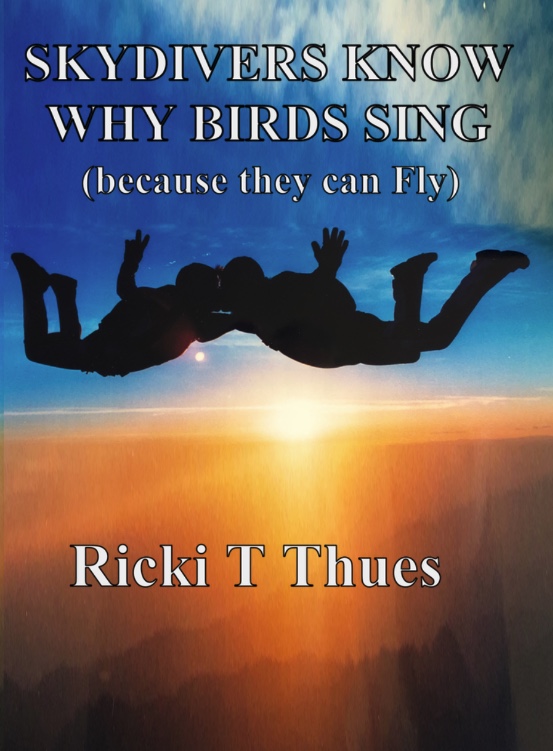
“Skydivers Know Why Birds Sing” by Ricki T Thues is now available on Amazon.
It is a Love story of Rick and Paula Thues and their 35 years of Skydiving.
Click HERE to buy the paperback or Kindle ebook at Amazon.
Follow Ricki T Thues on Amazon HERE.
ALSO AVAILABLE:
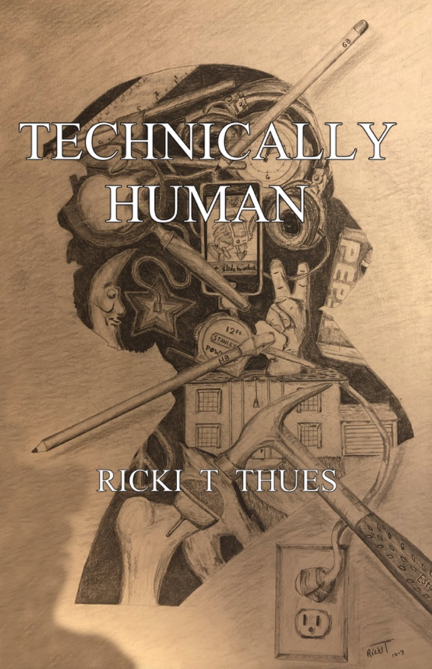
“Technically Human” by Ricki T Thues, the iMentor, is available on Amazon.
It is a compilation of selected episodes from this bLog which tell the story of Humanity through the eyes of the iMentor.
Click HERE to buy the paperback or Kindle ebook at Amazon.
The ebook version of “Technically Human” is also available on Kobo. Click HERE.
For you Barnes and Noble Nook readers it is available for Nook. Click HERE.
The “Technically Human” ebook is also available on Apple Books . Click HERE.
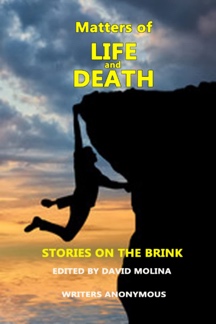
Ricki is also a contributor to the Writers Anonymous short stories anthology, “Matters of Life and Death, Stories on the Brink.” CLICK HERE.
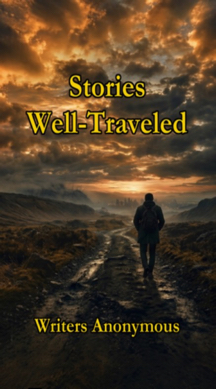
The newest Writers Anonymous short stories anthology, “Stories Well-Traveled,” is now available on Amazon.
It is a collection about the different paths Writers Anonymous has traveled, both real and imagined, and how, through these stories, we have stayed connected.
CLICK HERE.